PlayStation 6 Leaks: Sony Targets 4K 120FPS with Massive Ray Tracing Jump
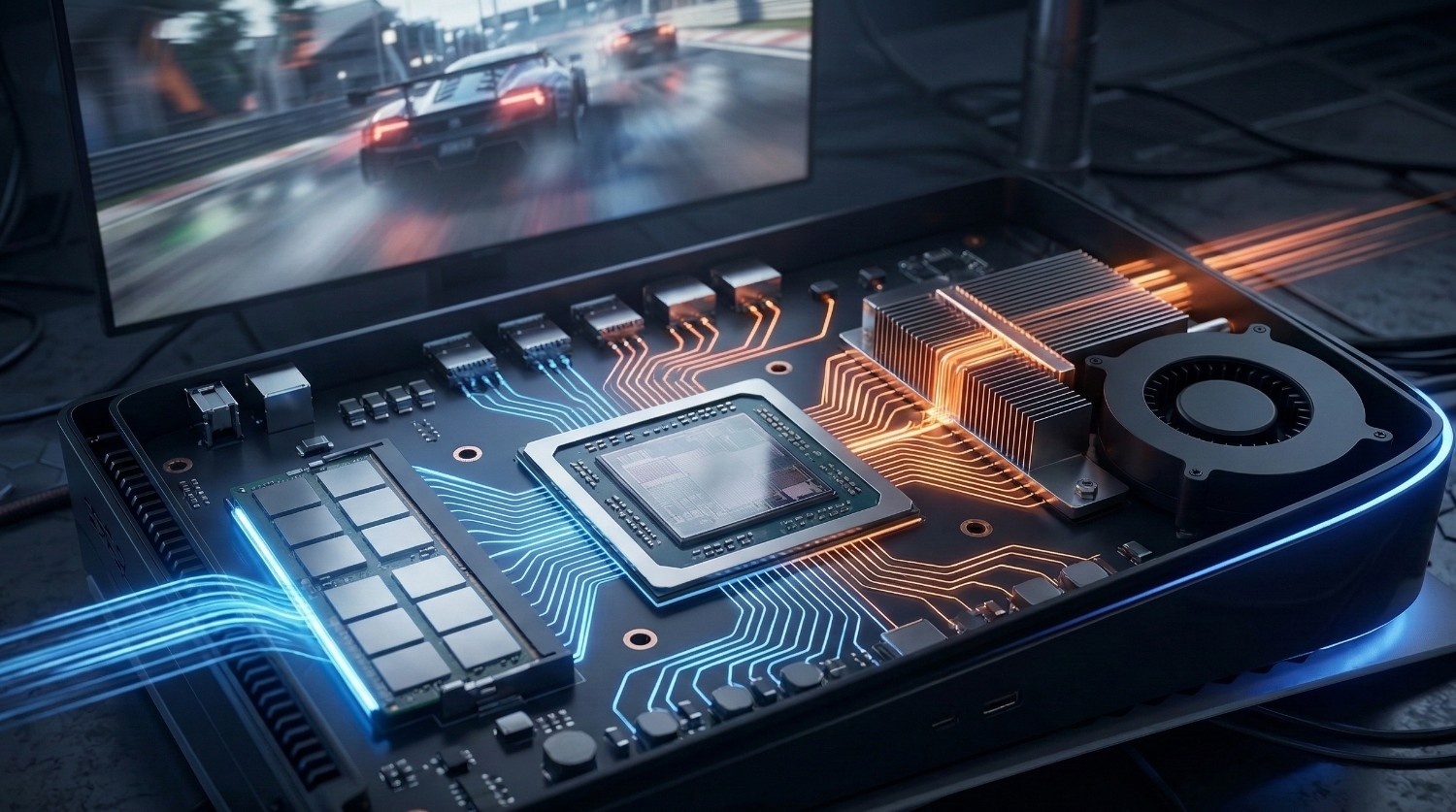
Just as I was settling in for a quiet Sunday with a lukewarm cuppa, the internet decided to set itself on fire with the most substantial PlayStation 6 leak we have seen to date. Reliable industry insiders are now suggesting that Sony is not only sticking to its guns regarding a 2027 launch window, but they are aiming for the holy grail of console gaming, which is native-feeling 4K at 120 frames per second with full ray tracing enabled. While we have heard tall tales of performance before, the technical breakdown of the "Orion" silicon suggests Sony is preparing a monster to ensure they are not left behind in the next-gen arms race.
📌 Key Takeaways
- Sony is reportedly targeting 4K at 120FPS using its PSSR AI upscaling technology.
- The console is expected to feature a 6x to 12x jump in ray tracing performance compared to the PS5.
- Hardware specifications include an RDNA 5 GPU and Zen 6 CPU manufactured on the TSMC 3nm node.
- A 2027 launch remains the target despite the ongoing global RAM shortage.
- A "Canis" handheld system is also rumoured to launch alongside the main console.
The Orion APU and the 3nm Gamble
At the heart of these leaks is a custom chip codenamed Orion, which represents a significant technological shift for Sony. Reports suggest the PlayStation 6 will utilise AMD’s RDNA 5 graphics architecture paired with Zen 6 CPU cores. The move to the TSMC 3nm process is a massive financial commitment, with manufacturing reportedly scheduled to begin as early as the second quarter of 2027.
This 3nm node is crucial because it allows for greater transistor density and power efficiency, which is essential for hitting the touted performance targets. However, it is an expensive gamble. If Sony were to pull out of its contracts now, it would likely cost them more in penalties and lost priority status at TSMC than the actual cost of the silicon itself.

Navigating the RAMmageddon Crisis
The tech world is currently gripped by a brutal memory shortage that many are calling "RAMmageddon". We have already seen this impact the market, notably causing Steam Machine delays and affecting Steam Deck pricing. Despite these soaring costs, insiders claim Sony will not delay the PlayStation 6.
The rationale is simple, which is that Sony has already spent tens of millions over several years designing this specific APU. Stalling a multi-billion pound production cycle would be far more damaging than simply eating the extra cost of GDDR7 memory. We saw similar resolve during the 2020 pandemic, where Sony prioritised getting the PS5 to market regardless of shipping and component hurdles.

The Project Helix Rivalry
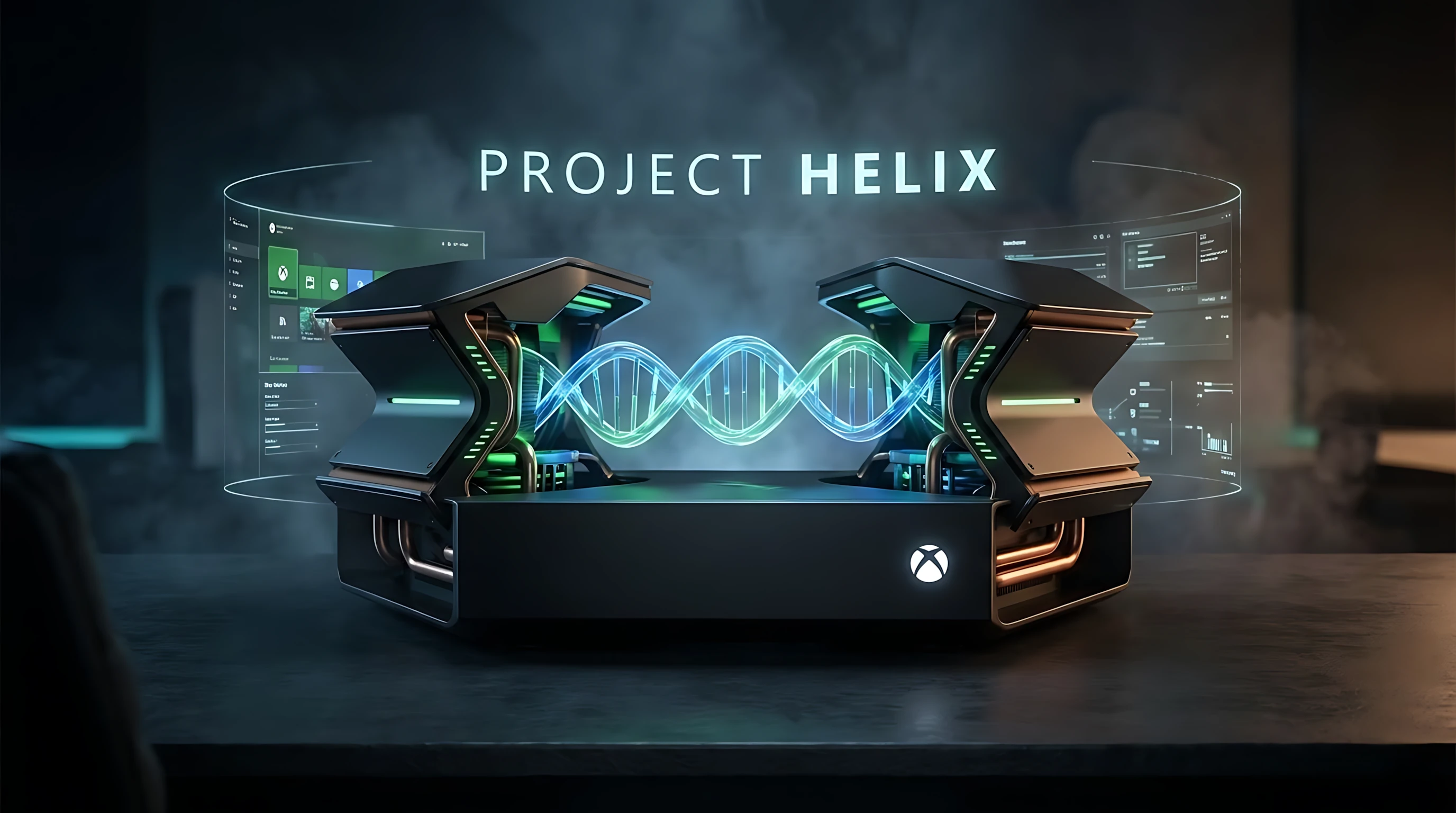
Sony is not operating in a vacuum. Microsoft has already confirmed its next Xbox is codenamed Project Helix, which they are positioning as a "very premium" experience. Initial leaks suggest the next Xbox might even be roughly 25% faster on paper than the PS6.
Sony's strategy to counter this raw power involves a heavy reliance on its PlayStation Spectral Super Resolution (PSSR) technology. By using AI upscaling, they hope to deliver that elusive 4K 120FPS experience without needing the same level of gargantuan raw horsepower that Microsoft might be targeting. It is a battle of brute force versus AI elegance, and 2027 is shaping up to be the ultimate battleground.
Handhelds and Hybrid Futures
In a surprising twist, the leaks also detail a handheld companion codenamed "Canis". This system is rumoured to feature 16 RDNA 5 Compute Units and Zen 6 cores, aiming to outperform current market leaders like the Steam Deck and ROG Ally. If these specs hold true, Sony is looking to create a unified ecosystem where your library follows you from the living room to the morning commute, potentially taking a direct swipe at Nintendo's upcoming Switch 2.

⚡ NerdZap's Take
Let's be honest, we have all heard the "4K 120FPS" promise before (I still have the PS5 box that says 8K on it somewhere), but this time feels different. The inclusion of dedicated Zen 6 "LP" cores just for the operating system suggests Sony is finally getting serious about efficiency, which is a relief for those of us tired of bloated system software eating our resources.
The RAM shortage is a genuine worry for our wallets, though. If Sony eats the cost of the memory, you can bet they will find a way to claw that back through digital store fees or, more likely, a higher launch price that will make my eyes water. Still, as a dad who barely gets an hour of gaming in after the kids are in bed, the idea of a "Canis" handheld that actually plays PS6 games natively is a dream.